
Why Artificial Intelligence Subscriptions Were Never Sustainable

by BrainStream Chief Marketing Officer Ya-Hui (Laura) Kao
For a while, the concept of “unlimited artificial intelligence” sounded like a revolutionary deal. Users paid a fixed monthly fee to gain unrestricted access to powerful tools capable of writing, coding, analyzing, and automating.
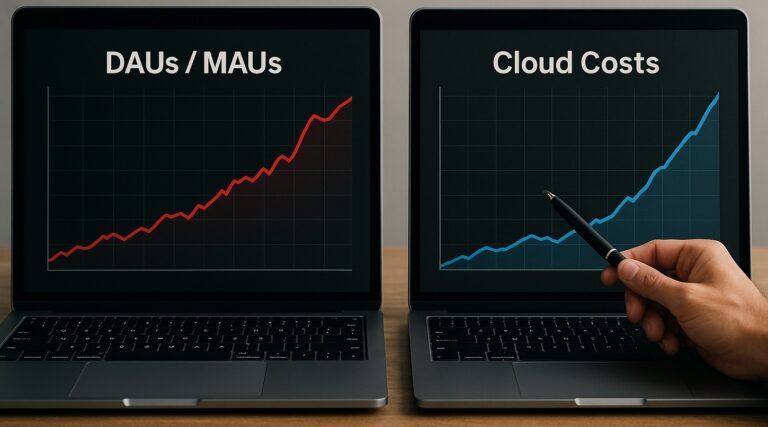
However, unlike traditional software services where the cost to duplicate code is nearly zero, artificial intelligence involves real and variable costs. Every single interaction consumes significant computational power and electricity. These operational expenses scale directly with usage; the more you use it, the more it costs the provider.
This creates a fundamental commercial mismatch: users pay a fixed price, while providers bear variable operational costs that grow with every query.
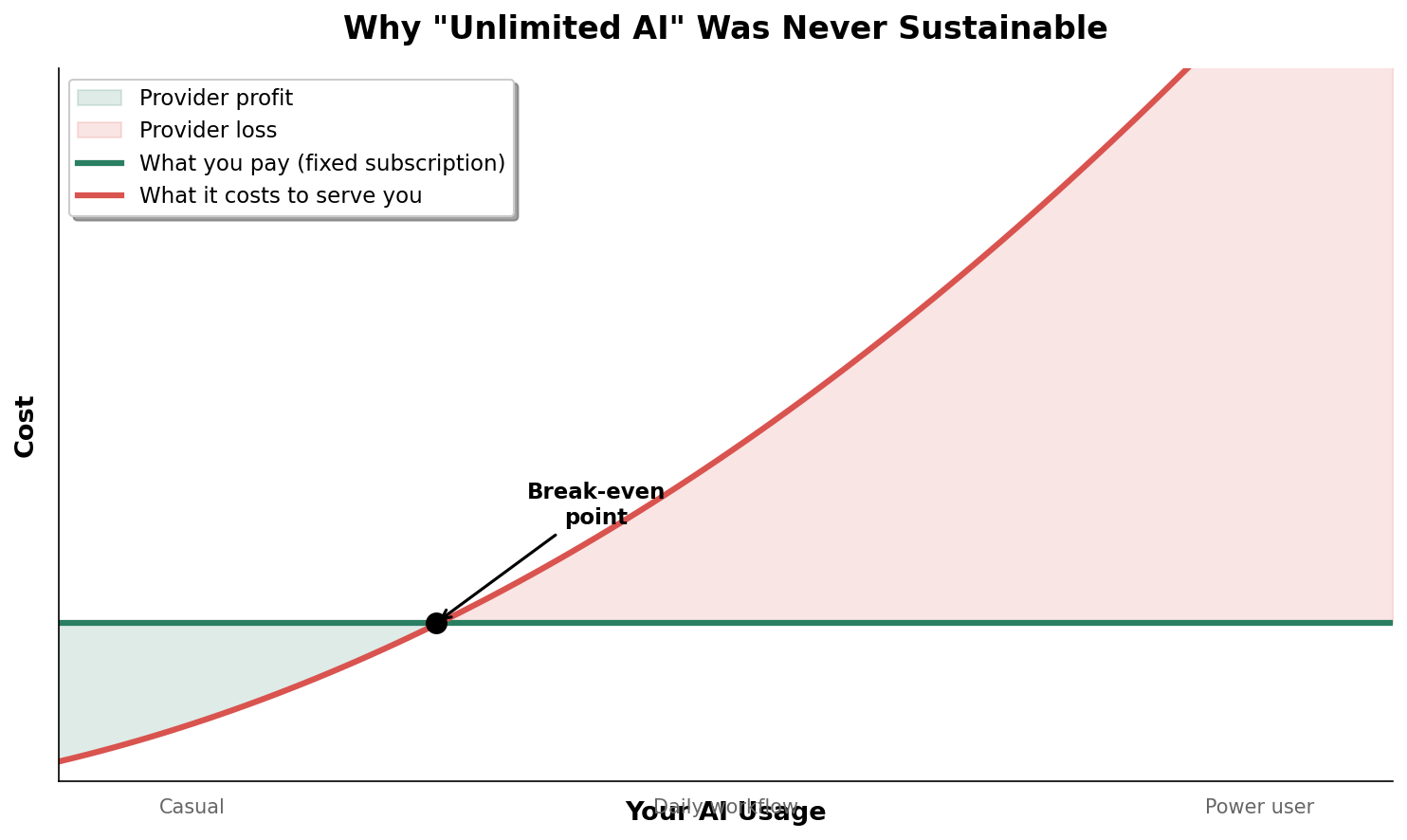
The more valuable and integrated the product becomes, the more expensive it is to maintain.
At first, this imbalance was hidden. But once artificial intelligence moved from a novelty into real, daily workflows, usage exploded. Without meaningful boundaries, users naturally maximize their output, causing consumption to expand far beyond casual use.
The shifts we are seeing now—tighter usage limits, a clear separation between general consumer access and professional development interfaces, and frequent policy changes—are signs of a massive market correction. The model is finally being aligned with its underlying cost structure.
Artificial intelligence is transitioning from a simple software tool into essential infrastructure. And infrastructure, much like electricity or water, is rarely offered at a fixed price for unlimited consumption.
Pricing will gradually shift to reflect actual usage.
In the end, the competitive advantage will not come from having “unlimited access,” but from mastering the skill of using artificial intelligence effectively and precisely.